

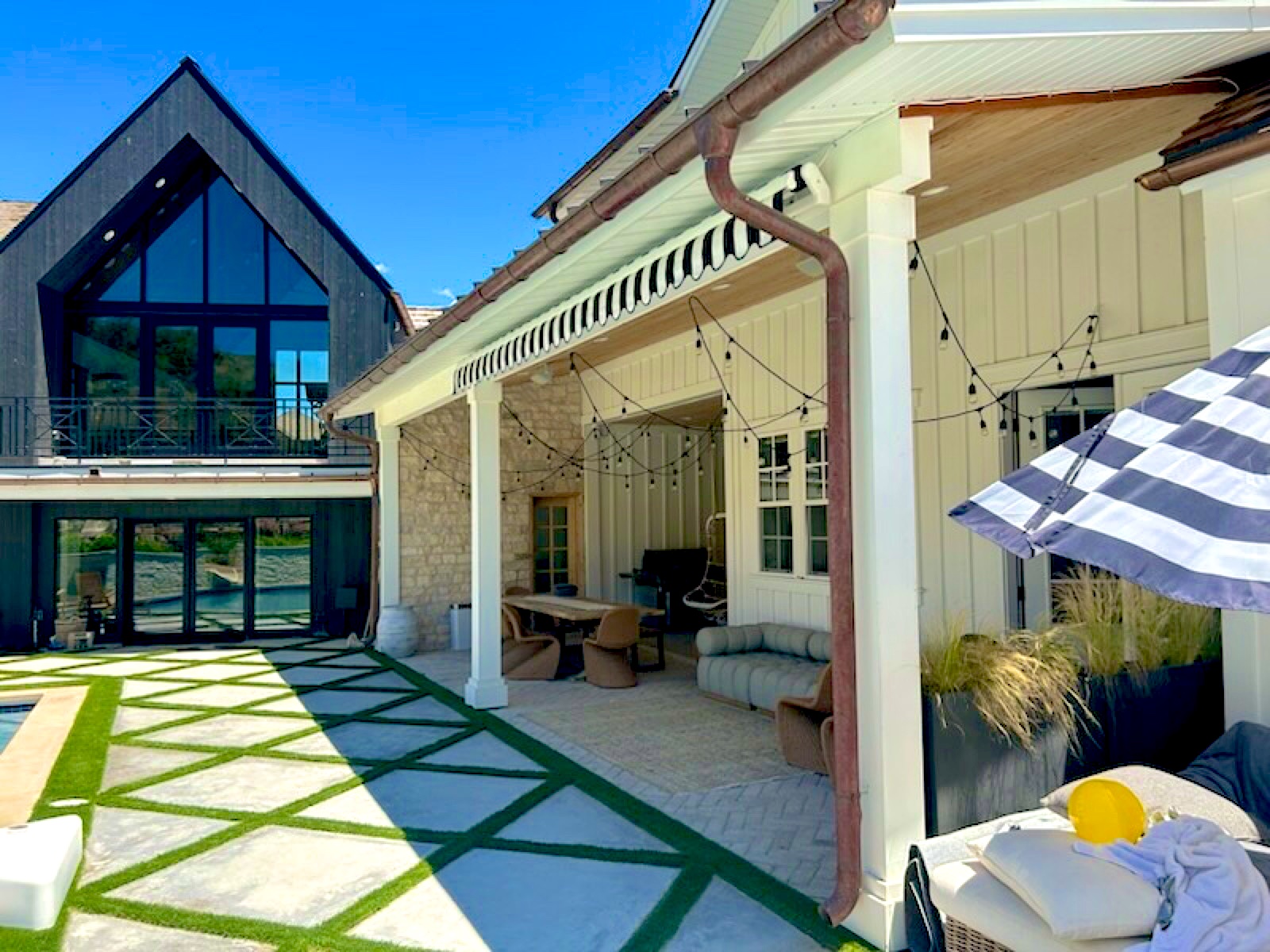




How to Winterize Your Awning Before Utah Snow
Awning winterization is the process of retracting, cleaning, and covering your awning so the fabric and hardware survive Utah's cold, wet months without damage. Winterizing an awning is preparing it for storage and weather before the first snow. Do it right and you add years to your investment. Skip it and you invite mildew, rust, and torn seams.
🍂 Why Winterizing Matters in Utah
Utah winters are hard on outdoor fabric. Heavy wet snow, freeze-thaw cycles, and trapped moisture are the three biggest threats to any awning left exposed.
Snow load is the real danger. A retractable awning is built for sun and light rain, not for the weight of accumulated snow. Left extended through a storm, the fabric stretches, seams strain, and arms bend.
Moisture is the quiet killer. Water that sits in folds or under a cover breeds mildew and can corrode hardware over time. The goal of winterization is simple: dry, clean, and protected.
❄️ The Three-Step Rule: Retract, Clean, Cover
Every good winterization job comes down to three moves. Retract to remove the load. Clean to stop mildew. Cover to shield the fabric and frame. Here is how to do each one properly.
🧾 Your Winterization Checklist
Follow these steps in order. Do not rush the drying stages, since sealing away damp fabric causes most winter damage.
- Retract fully. For a motorized or manual retractable awning, bring it all the way in so no fabric is exposed to snow load.
- Clear debris. Brush off leaves, seed pods, and dirt before they trap moisture against the fabric.
- Wash the fabric. Use mild soap and cool water. Rinse thoroughly so no soap residue remains.
- Dry completely. Let the fabric air dry fully before retracting or covering. This is the single most important step.
- Inspect the hardware. Check arms, brackets, and fasteners for wear or loose spots.
- Cover it. Use a fitted hood or protective cover to keep the retracted fabric and frame clean and dry.
🧼 Cleaning the Fabric the Right Way
Our awnings are built from premium materials like Sunbrella and WeatherMax, which are fade-resistant and durable, but they still deserve gentle care.
Use a soft brush, mild dish soap, and cool water. Scrub lightly, rinse until the water runs clear, and never pack the fabric away wet. Trapped moisture is what turns a healthy awning into a mildew problem by spring.
The number one mistake we see is storing fabric before it is fully dry. Give it a sunny afternoon to breathe.
If you find a small tear or a worn seam during cleaning, do not wait until spring. Our in-house sewing team handles custom sewing repairs so a minor issue does not grow over the winter.
🛠️ Retractable vs. Fixed: Different Winter Jobs
How you winterize depends on the type of awning you own. Here is a quick comparison.
| Awning Type | Winter Approach | Key Priority |
|---|---|---|
| Retractable canvas awning | Retract fully, clean, cover the housing | Avoid snow load on extended fabric |
| Fixed canvas awning | Clean, dry, and cover in place (or remove if seasonal) | Prevent snow accumulation and moisture |
| Aluminum patio cover | Clear snow, check drainage | Keep panels clear and draining freely |
| Aluminum pergola | Clear debris, inspect fasteners | Rust-proof, minimal seasonal prep |
Retractable awnings win the easy-winter award because you simply pull them in. If you are still weighing which style suits your home, our guide on retractable vs. fixed awnings for Utah homes breaks down the tradeoffs.
🔩 Do Not Forget the Hardware
Fabric gets the attention, but the frame carries the load. Before the snow flies, look over your arms, brackets, and mounting points.
On a retractable unit, listen for grinding or hesitation when it moves. On motorized models, run it through a full cycle so you know it is working before you tuck it away. If anything feels off, address it now, because service is easier before winter than after.
Curious whether a motor is worth the upgrade for next season? Read Motorized Awnings: Are They Worth It? for the full breakdown.
🏠 A Note on Permanent Shade
If you spend every fall wrestling with covers, permanent shade may be the smarter long-term move. Aluminum pergolas and patio covers are rust-proof and low-maintenance, which means far less seasonal fuss.
Our aluminum pergola guide covers how a fixed structure changes the way you use your patio year-round. Powder-coated aluminum shrugs off Utah weather with almost no winter prep.
📅 When to Winterize
Aim to winterize before the first hard freeze and before the first real snow, whichever comes first. In much of Utah, that means late fall.
Pick a dry, sunny day so cleaning and drying go smoothly. Doing it early beats scrambling after an unexpected October storm has already soaked the fabric.
Frequently asked questions
Can I leave my retractable awning out all winter?
No. Retractable awnings are not built to carry snow load, and extended fabric can stretch, sag, or tear under wet snow. Retract it fully before the first storm and cover the housing to keep it clean and dry.
How do I clean awning fabric before storage?
Use a soft brush with mild soap and cool water, then rinse thoroughly. Let the fabric dry completely before retracting or covering it. Premium fabrics like Sunbrella and WeatherMax respond well to gentle care and avoid harsh chemicals.
Do aluminum pergolas and patio covers need winterizing?
Very little. Powder-coated aluminum is rust-proof and low-maintenance, so you mainly clear debris and snow and check fasteners. That low upkeep is one reason many Utah homeowners choose permanent aluminum shade.
What if I find a tear or worn seam?
Repair it before winter rather than after. Small tears grow under wind and snow, so early fixes save money. Our in-house sewing team handles custom repairs, so reach out through our contact page before you store the awning.
🌨️ Beat the First Snow
Retract, clean, cover. Three steps stand between your awning and a rough Utah winter. For four generations, we have helped Utah families protect what they invest in outdoors.
Need a repair, a cover, or advice on a longer-lasting shade solution? Visit our showroom or request a quote before the snow arrives.

Explore our latest blogs & insights for inspiration
The Best of Huish’s, Delivered Right To Your Email Inbox
Tips, updates, and outdoor inspiration delivered straight to your inbox. No spam. Just the good stuff.